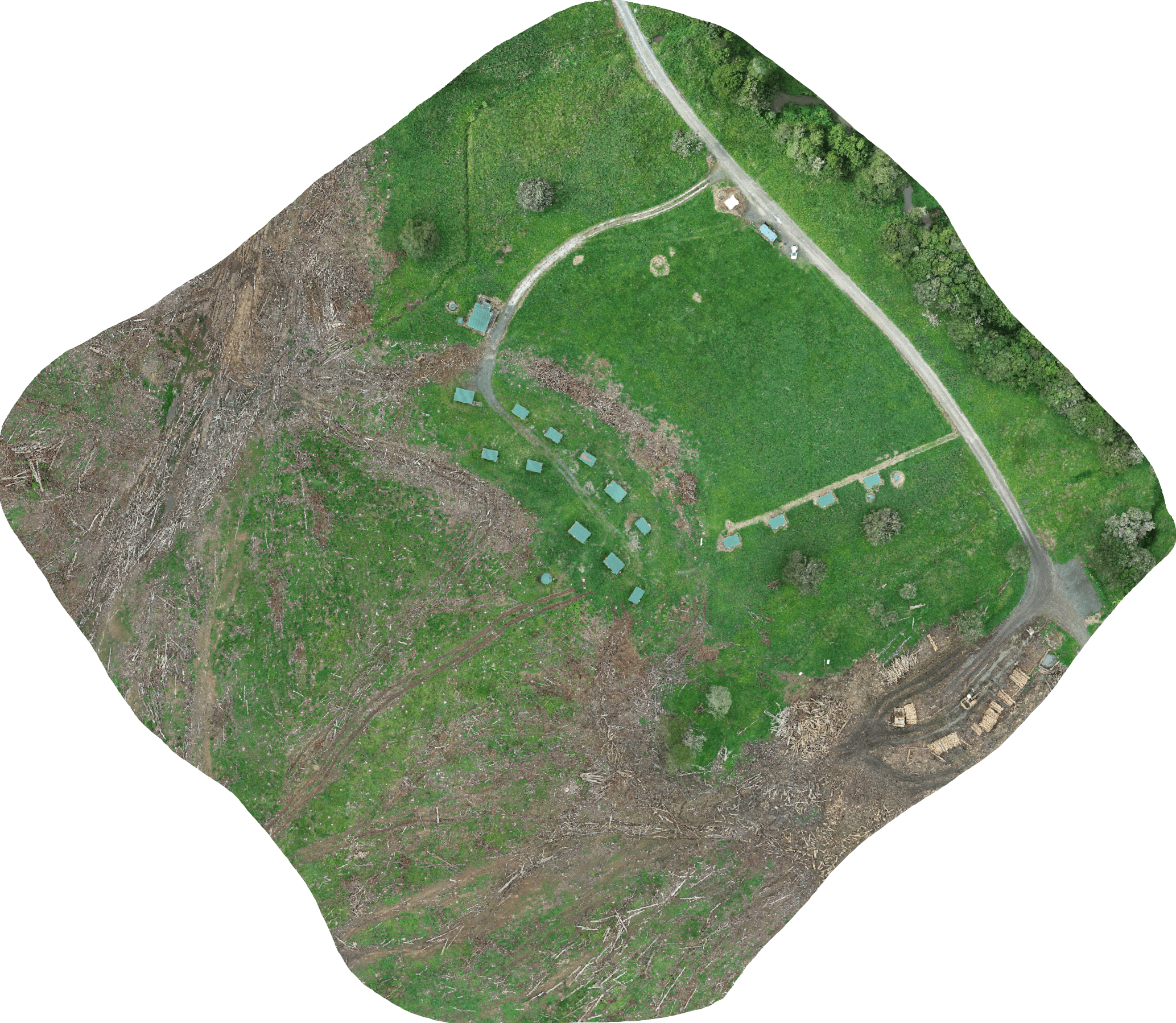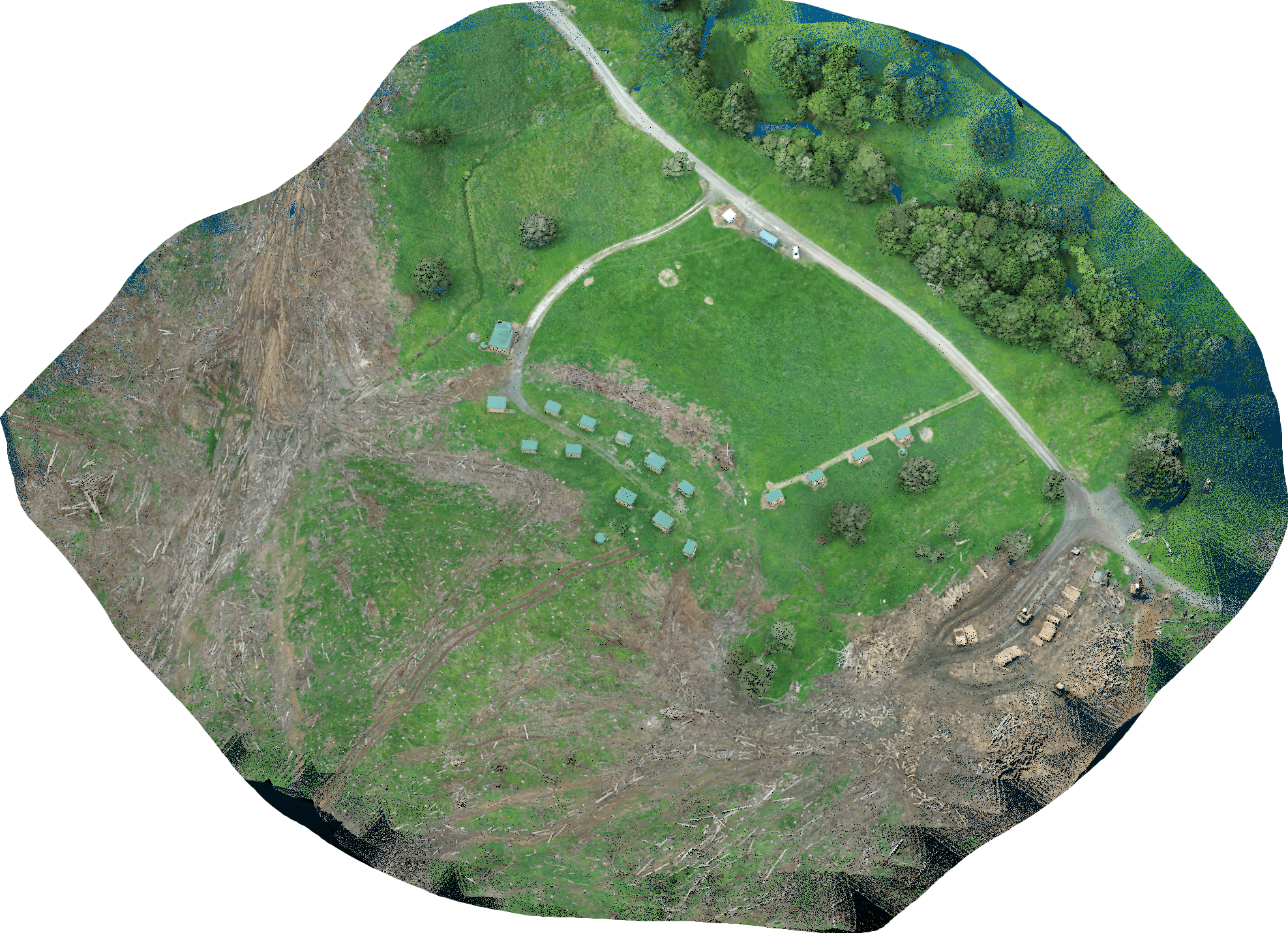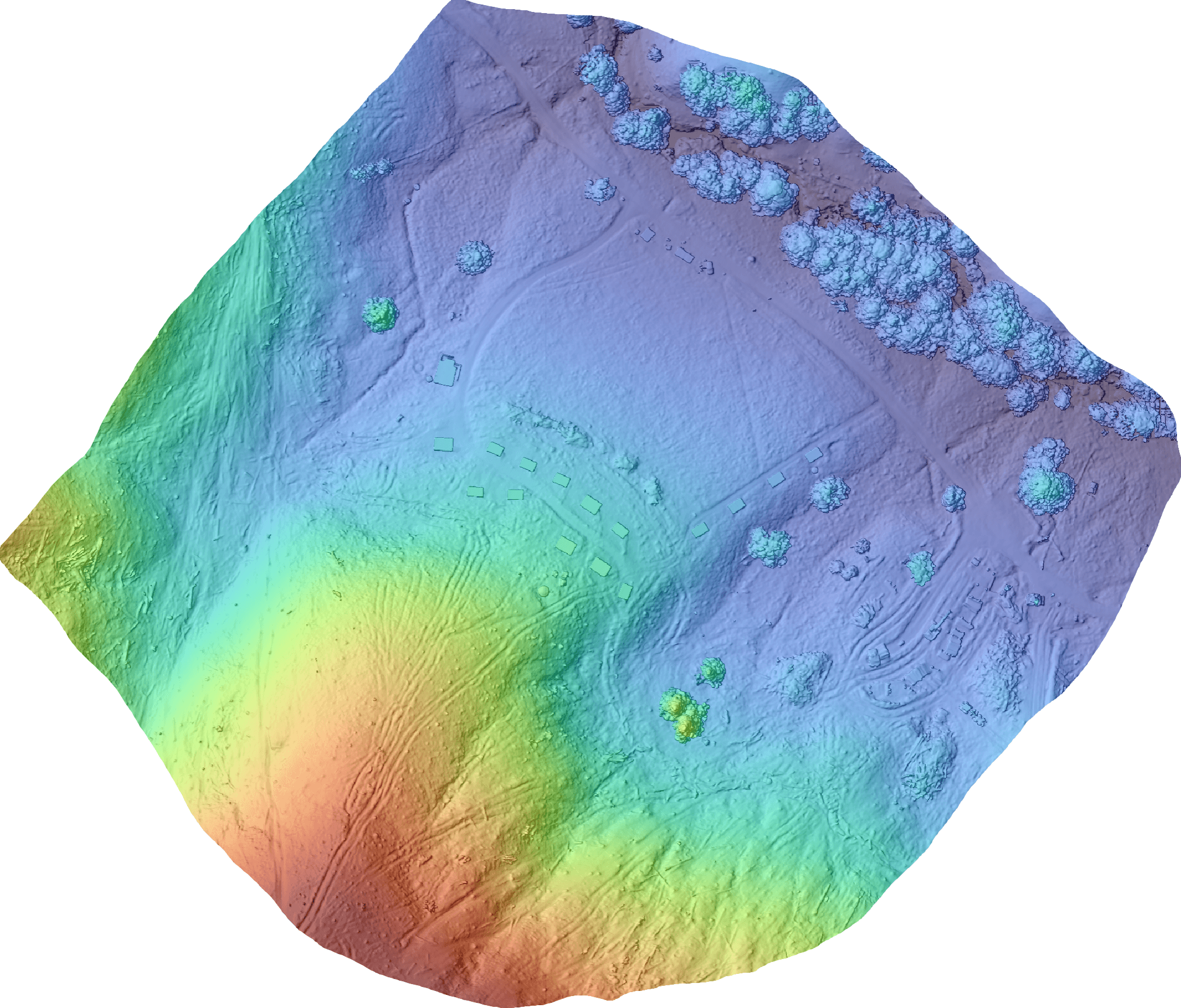
Aerial Mapping
Photogrammery ultilisze geo reference technical, by taking vast amount of 2D images, using technicals to merge together to form a mirror model of real world. The resolution is very fine, can be use to do survey measument, digitzation of assects, record keeping, 3D game production and AI model train.
Ultimate solution to digitise the real world▾
Ultimate solution for large-scale mapping▾
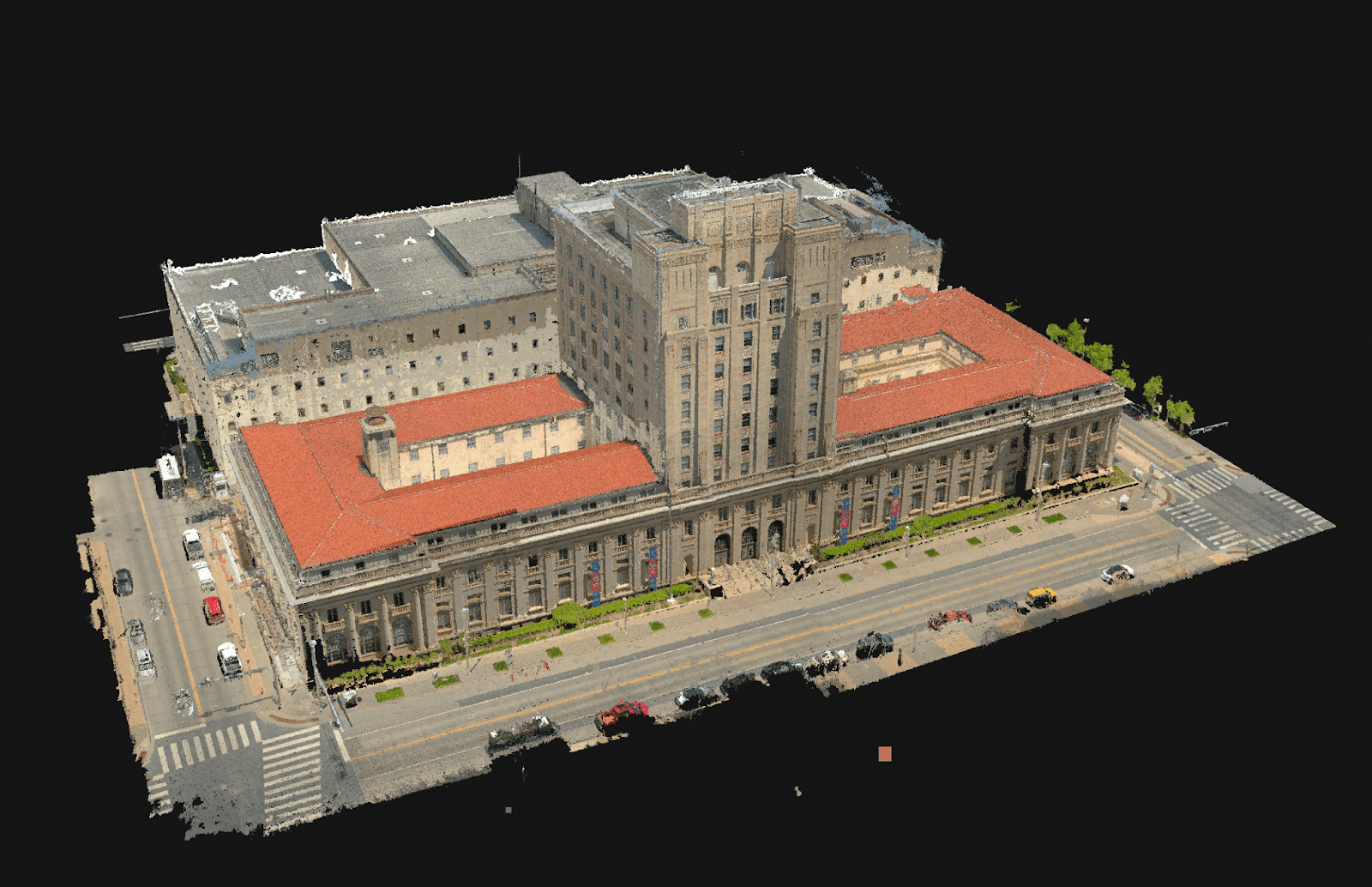
A high-resolution, georeferenced 3D model that mirrors the real world for measurement and visualisation.
FAQ
What is the difference between LiDAR and photogrammetry?▾
LiDAR is the best option for vegetation and complex sites. It can penetrate canopy and capture ground points more reliably than RGB mapping.
It is also well-suited for thin conductors (e.g. ~12 mm powerlines), where photogrammetry can struggle due to motion blur, low contrast, and limited pixel coverage.
Aerial mapping (RGB photogrammetry) is the go-to solution for high-resolution, photo-realistic models and orthomosaics. It reconstructs surfaces by matching features across many overlapping 2D images.
In simple terms: LiDAR produces a discrete point cloud, while photogrammetry produces a continuous surface/mesh (and an orthomosaic) built from imagery.
How accurate (GSD) can the model be?▾
GSD (ground sample distance) is the ground distance represented by a single pixel, usually expressed in cm/px.
For example, 3 cm/px means each pixel represents 3 cm on the ground.
In most cases, ~3 cm/px is a good balance between detail, coverage, and processing time.
Higher resolution (below 3 cm/px) is achievable, but it typically requires lower flight altitude and/or slower flights, which increases capture and processing time.
Deliverables
Tier one gear & people delierves Top quality results.